> ## Documentation Index
> Fetch the complete documentation index at: https://docs.ollama.com/llms.txt
> Use this file to discover all available pages before exploring further.

# VS Code

Use Ollama models in VS Code Chat with the [Ollama extension](https://marketplace.visualstudio.com/items?itemName=Ollama.ollama).

## Requirements

* [Visual Studio Code 1.127 or newer](https://code.visualstudio.com/download)
* Ollama installed and running
* At least one local or cloud model available in Ollama

Earlier VS Code versions do not reliably cancel requests from language model providers.

Ollama 0.17.6 or newer is recommended for cloud model sign-in and richer model metadata. Older versions may still work with local models.

## Install the extension

1. Install the [Ollama extension](https://marketplace.visualstudio.com/items?itemName=Ollama.ollama) from the VS Code Marketplace.
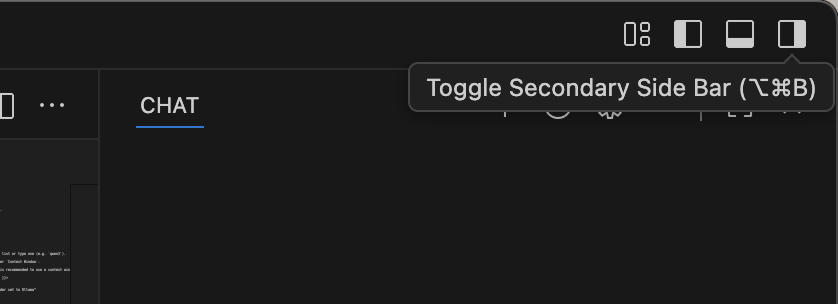
2. Open Chat in VS Code.
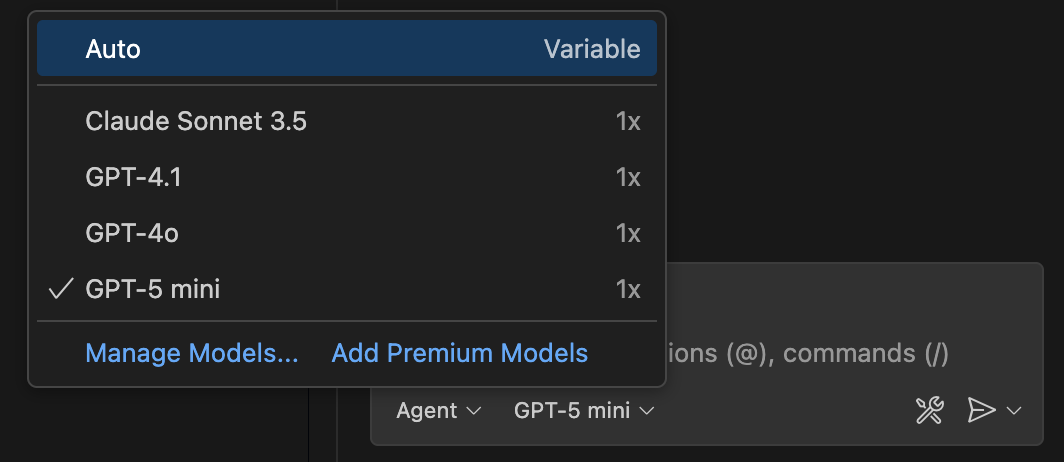
3. Open the model picker at the bottom of the chat input.
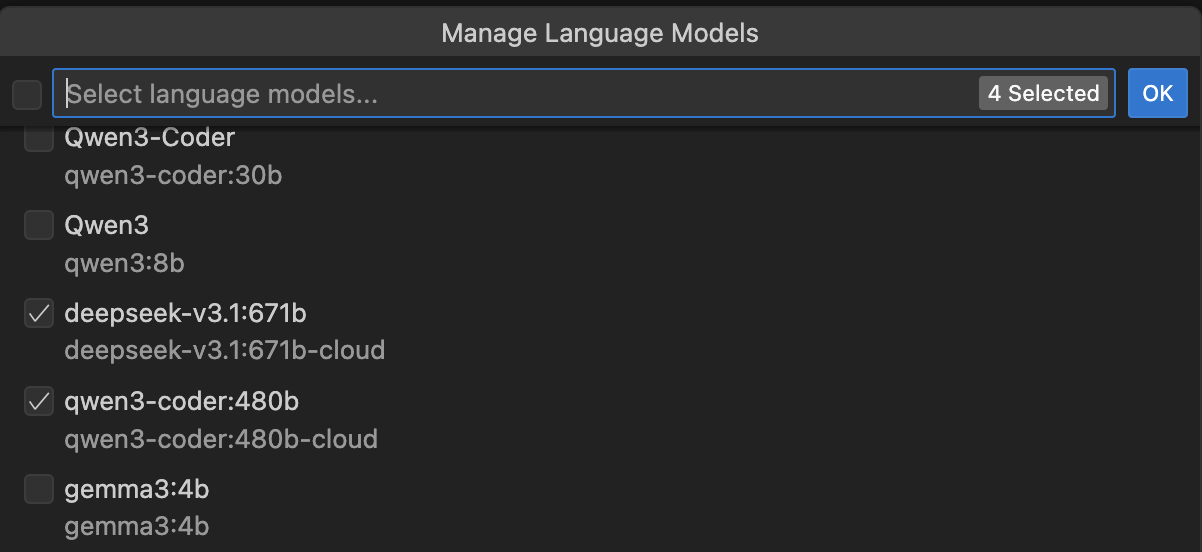
4. Choose a model from the **Ollama** section.

The extension discovers models from `http://127.0.0.1:11434` by default.

## Add a model

Pull a local model:

```shell theme={"system"}
ollama pull qwen3.6
```

To use a cloud model, pull it and sign in:

```shell theme={"system"}
ollama pull kimi-k2.6:cloud
ollama signin
```

Local models do not require sign-in.

## Context length

VS Code may show a model's maximum supported context length even when Ollama allocates a smaller context at runtime.

For local models, open Ollama **Settings**, set the context length to at least 64k, reload the VS Code window, and resend your prompt. See [Context length](/context-length) for more information.

## Troubleshooting

If Ollama models do not appear in the model picker:

1. Make sure Ollama is running.
2. Run `ollama list` and confirm that models are available.
3. Run **Ollama: Refresh Models** from the Command Palette.
4. Run **Ollama: Diagnose Models** and check the **Ollama** output channel.

If a cloud model asks you to sign in, run `ollama signin`.